TODAY, AUGUST 2026, PERSONALLY,
I HAVE RESIGNED
FROM THE 50TH WEDDING ANNIVERSARY BONUS
WHICH AMOUNTS TO APPROXIMATELY 500 DOLLARS,
AND I EXPRESS IT HERE,
BECAUSE CHILE NEEDS IT...
THE UNPRECEDENTED STORMS IN THE NORTH
HAVE DEVASTATED EXTENSIVE TERRITORIES,
FIRST IN THE NORTE CHICO
ACROSS ABOUT 300 KILOMETERS IN LENGTH
AND IN THE NORTE GRANDE
FROM VALLENAR TO ARICA
OVER AN EXTENSION OF 1,400 KILOMETERS IN LENGTH.
I COULD NOT COLLECT THIS BONUS
IN LIGHT OF EVERYTHING THAT IS HAPPENING.
FACING TRAGEDY, CHILE NEEDS ACTIONS
AND NOT JUST WORDS...
Actions that are lacking among the authorities.
Moral Bonus
Isla Negra, Alfred Asís Chile
Edition, publication Alfred Asís
Notice:
All parts of this book,
including the cover design,
may be reproduced, stored, or transmitted
by electrical, chemical, mechanical,
optical, recording, or photocopying means,
respecting the content and its entire structure.
Free to print.
If this generates any economic resources,
it is requested that they be used for Literature and Culture
in favor of the development of students
of the peoples of the world.
Isla Negra, 2026
poeta@alfredasis.cl
www.alfredasis.cl (©) 2024-S-507
Notice:
All parts of this book,
including the cover design,
may be reproduced, stored, or transmitted
by electrical, chemical, mechanical,
optical, recording, or photocopying means,
respecting the content and its entire structure.
Free to print.
If this generates any economic resources,
it is requested that they be used for Literature and Culture
in favor of the development of students
of the peoples of the world.
Isla Negra, 2026
poeta@alfredasis.cl
www.alfredasis.cl (©) 2024-S-507
Prologue: The Voice of the Earth
and the Urgency of Similarism
There are geographies that are not known
solely through maps,
but through the indelible footprints
of one who has walked their routes for decades.
The following pages capture the pulse
of a deep and violated Chile,
shaken today by an unprecedented climate reality.
Faced with this tragedy,
an inescapable question arises
regarding the responsibility of the State
and the destination of public resources.
and the Urgency of Similarism
There are geographies that are not known
solely through maps,
but through the indelible footprints
of one who has walked their routes for decades.
The following pages capture the pulse
of a deep and violated Chile,
shaken today by an unprecedented climate reality.
Faced with this tragedy,
an inescapable question arises
regarding the responsibility of the State
and the destination of public resources.
While families lose everything under the mud,
the political and institutional apparatus
continues to absorb
astronomical expenses in privileges.
The contrast is as painful as it is evident,
the scarcity of resources clashes with the weight
of a system anchored in dogmatism.
However, this book is born
from the living testimony of coherence.
It reminds us that real solutions
spring from the urgent need
to refound politics.
Here rises the invitation to build a path
guided by Similarism:
a call to think of the people
before one's own interests.
the political and institutional apparatus
continues to absorb
astronomical expenses in privileges.
The contrast is as painful as it is evident,
the scarcity of resources clashes with the weight
of a system anchored in dogmatism.
However, this book is born
from the living testimony of coherence.
It reminds us that real solutions
spring from the urgent need
to refound politics.
Here rises the invitation to build a path
guided by Similarism:
a call to think of the people
before one's own interests.
Vocation of Self-Giving
Facing Collective Wear and Tear.
The history of nations is
not usually written solely in
the grand gestures of the halls
of power, but in the silent
consistency of everyday acts
that embody the true sense
of community.
When the environment is shaken
by adversity, the gap between two
worlds emerges with cruelty:
the one that observes others'
suffering from the comfort
of institutionalized privileges
and the one that assumes the pain
of their neighbor as an inescapable
call to action and sacrifice.
Facing Collective Wear and Tear.
The history of nations is
not usually written solely in
the grand gestures of the halls
of power, but in the silent
consistency of everyday acts
that embody the true sense
of community.
When the environment is shaken
by adversity, the gap between two
worlds emerges with cruelty:
the one that observes others'
suffering from the comfort
of institutionalized privileges
and the one that assumes the pain
of their neighbor as an inescapable
call to action and sacrifice.
Disproportionate allocations,
expenses destined for ordinary tasks
and high daily allowances
that heavily weigh on public coffers
configure a panorama
of asymmetry.
The financial hemorrhage:
The sustenance of allowances
for travel, per diems,
oversized advisories
and resources for daily consumer goods
in the highest political spheres
highlights an institutional priority
distant from the urgencies
of citizenship.
The erosion of trust:
When public resources
are concentrated on the well-being of minorities,
the basic social pact is weakened.
expenses destined for ordinary tasks
and high daily allowances
that heavily weigh on public coffers
configure a panorama
of asymmetry.
The financial hemorrhage:
The sustenance of allowances
for travel, per diems,
oversized advisories
and resources for daily consumer goods
in the highest political spheres
highlights an institutional priority
distant from the urgencies
of citizenship.
The erosion of trust:
When public resources
are concentrated on the well-being of minorities,
the basic social pact is weakened.
This model of indifference
contrasts radically
with the imperative need
for an ethic of the common good.
The urgency of the territory and the response
by example.
Recent climate catastrophes
demonstrate that
humanitarian emergencies
demand gestures that transcend rhetoric.
Faced with the magnitude of the tragedy,
any personal benefit
becomes ethically indefensible.
Renunciation and coherence:
The personal decision to decline
a relevant economic benefit — such as the
equivalent of a marital trajectory bonus—
illustrates the highest expression of congruence
in the face of others' pain.
contrasts radically
with the imperative need
for an ethic of the common good.
The urgency of the territory and the response
by example.
Recent climate catastrophes
demonstrate that
humanitarian emergencies
demand gestures that transcend rhetoric.
Faced with the magnitude of the tragedy,
any personal benefit
becomes ethically indefensible.
Renunciation and coherence:
The personal decision to decline
a relevant economic benefit — such as the
equivalent of a marital trajectory bonus—
illustrates the highest expression of congruence
in the face of others' pain.
The value of testimony:
Actions of this nature
act as a moral beacon
and a reminder for those who hold
quotas of power:
true solidarity is not proclaimed,
it is exercised by ceding one's own
in favor of collective reconstruction.
A path toward ethical transformation:
The exposed contrast
indicates an inescapable path for society
and for those who lead it.
The reconstruction of a country
does not depend solely on
the technical allocation of budgets,
but on the recovery of a mysticism
of service based on the motto
of extending a hand to one's fellow man.
Actions of this nature
act as a moral beacon
and a reminder for those who hold
quotas of power:
true solidarity is not proclaimed,
it is exercised by ceding one's own
in favor of collective reconstruction.
A path toward ethical transformation:
The exposed contrast
indicates an inescapable path for society
and for those who lead it.
The reconstruction of a country
does not depend solely on
the technical allocation of budgets,
but on the recovery of a mysticism
of service based on the motto
of extending a hand to one's fellow man.
Faced with the wear and tear of
privileges,
the most powerful response
remains the testimony
of voluntary austerity.
Alfred Asís
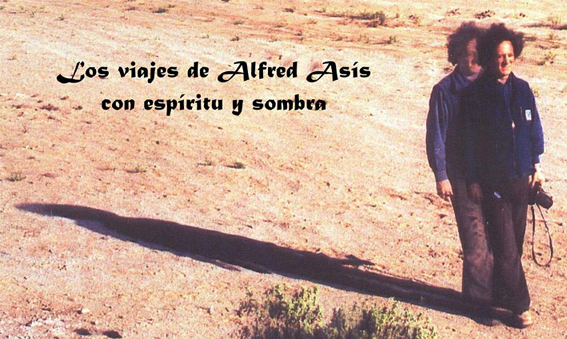
has traveled every centimeter
of the territories devastated by the rainwater
of this winter, has seen
the needs, the villages among the hills,
the ravines sometimes with mudflows
that cut off roads,
the rainwater that is not typical
of this dry desert,
the most arid on the planet,
he has seen through 30 years of traveling
across Chile, the needs of the people,
the adobe houses, of old wood
enclaved beneath the then-dry ravines.
the most powerful response
remains the testimony
of voluntary austerity.
Alfred Asís
has traveled every centimeter
of the territories devastated by the rainwater
of this winter, has seen
the needs, the villages among the hills,
the ravines sometimes with mudflows
that cut off roads,
the rainwater that is not typical
of this dry desert,
the most arid on the planet,
he has seen through 30 years of traveling
across Chile, the needs of the people,
the adobe houses, of old wood
enclaved beneath the then-dry ravines.
The gaze of one who has traveled
for three decades every corner of Chile
stops today upon a geography
transformed by water and urgency.
In a desert considered
as the most arid on the planet,
the eruption of atypical and unprecedented rains
has altered deeply the landscape.
The memory of the territory:
Throughout thirty years
of trayectory and constant travels across the country,
the accumulated testimony exposes
a reality as beautiful as vulnerable:
The altered landscape:
Historically arid zones
face unusual precipitation and storms.
for three decades every corner of Chile
stops today upon a geography
transformed by water and urgency.
In a desert considered
as the most arid on the planet,
the eruption of atypical and unprecedented rains
has altered deeply the landscape.
The memory of the territory:
Throughout thirty years
of trayectory and constant travels across the country,
the accumulated testimony exposes
a reality as beautiful as vulnerable:
The altered landscape:
Historically arid zones
face unusual precipitation and storms.
Housing vulnerability:
Entire communities, with traditional housing
made of adobe and aged wood,
find themselves enclaved
beneath the historical path of ravines
that today act with unprecedented destructive force.
The testimony of the road facing tragedy:
He who has walked
inch by inch these territories
understands that the needs
of the people are not abstract,
but faces and homes exposed
to the elements and isolation.
This direct observation
grants a unique perspective on
abandonment and the urgency
of structural responses.
Entire communities, with traditional housing
made of adobe and aged wood,
find themselves enclaved
beneath the historical path of ravines
that today act with unprecedented destructive force.
The testimony of the road facing tragedy:
He who has walked
inch by inch these territories
understands that the needs
of the people are not abstract,
but faces and homes exposed
to the elements and isolation.
This direct observation
grants a unique perspective on
abandonment and the urgency
of structural responses.
Constant presence:
Traveling the roads of Chile
allows witnessing the real impact
of catastrophes beyond
official figures.
The contrast with disinterest:
Faced with the crudeness of these
realities — where families lose everything— the unsustainable distance
between the precarity of territories
and distant privileges becomes evident.
What aspects to make visible?
My immediate solutions are:
create mitigation lagoons,
generate a non-construction decree
in risk zones
and dig special trenches that
keep water channels away from populated areas.
Traveling the roads of Chile
allows witnessing the real impact
of catastrophes beyond
official figures.
The contrast with disinterest:
Faced with the crudeness of these
realities — where families lose everything— the unsustainable distance
between the precarity of territories
and distant privileges becomes evident.
What aspects to make visible?
My immediate solutions are:
create mitigation lagoons,
generate a non-construction decree
in risk zones
and dig special trenches that
keep water channels away from populated areas.
Structural Solutions
Facing Climate Emergency.
Experience allows visualizing
preventive solutions.
Urgency demands replanning
the territory under mitigation axes:
Mitigation lagoons:
Creation of accumulation basins
and infiltration strategically
located to contain excessive
water volumes
and prevent them from overflowing onto
populated settlements.
Deviation trenches:
Design and excavation of special watercourses
or perimeter channels
that intercept and steer away
water currents and mudflows
from inhabited areas.
Facing Climate Emergency.
Experience allows visualizing
preventive solutions.
Urgency demands replanning
the territory under mitigation axes:
Mitigation lagoons:
Creation of accumulation basins
and infiltration strategically
located to contain excessive
water volumes
and prevent them from overflowing onto
populated settlements.
Deviation trenches:
Design and excavation of special watercourses
or perimeter channels
that intercept and steer away
water currents and mudflows
from inhabited areas.
Ravines have a memory
it seems humans do not
Non-construction decree
in risk zones:
Establishment of strict legal prohibitions
that prevent residence
on ravine slopes, dry beds
and vulnerable points against floods.
Should these works be prioritized?
Although magistral and huge,
they imply a stratospheric expense
in a Chile lacking resources.
Revenue generation
depends greatly on taxes,
confronting us with a crowd
that wants no more burdens
and where, ultimately, advances
end up being minimal.
it seems humans do not
Non-construction decree
in risk zones:
Establishment of strict legal prohibitions
that prevent residence
on ravine slopes, dry beds
and vulnerable points against floods.
Should these works be prioritized?
Although magistral and huge,
they imply a stratospheric expense
in a Chile lacking resources.
Revenue generation
depends greatly on taxes,
confronting us with a crowd
that wants no more burdens
and where, ultimately, advances
end up being minimal.
The Financial Paradox
and the Limit of Growth.
The dilemma exposed by
the current state of fiscal coffers
reflects a deep tension.
On one hand, the urgency
to execute works proves inescapable
for safety; on the other,
the country faces a limit
where collection seems to have reached
a saturation point.
The weight of expenditure and asymmetry:
Fiscal resistance is a fact.
A citizenship burdened
by the cost of living legitimately
rejects new burdens,
feeling that the weight always falls
upon the same shoulders.
and the Limit of Growth.
The dilemma exposed by
the current state of fiscal coffers
reflects a deep tension.
On one hand, the urgency
to execute works proves inescapable
for safety; on the other,
the country faces a limit
where collection seems to have reached
a saturation point.
The weight of expenditure and asymmetry:
Fiscal resistance is a fact.
A citizenship burdened
by the cost of living legitimately
rejects new burdens,
feeling that the weight always falls
upon the same shoulders.
The contrast with waste:
Social frustration intensifies
upon noting that, while a lack of resources for prevention is argued,
State budgets
absorb million-dollar expenses
in institutional privileges,
high daily allowances and superfluous
allocations of the political class.
The stagnation of progress:
With stagnant collection
due to tax fatigue and public spending
devoted to maintaining
inefficient structures,
real solutions
for vulnerable territories
are reduced to insufficient minimums.
Social frustration intensifies
upon noting that, while a lack of resources for prevention is argued,
State budgets
absorb million-dollar expenses
in institutional privileges,
high daily allowances and superfluous
allocations of the political class.
The stagnation of progress:
With stagnant collection
due to tax fatigue and public spending
devoted to maintaining
inefficient structures,
real solutions
for vulnerable territories
are reduced to insufficient minimums.
Towards the redirection of
priorities.
The way out of this crossroads
does not consist in squeezing an overtaxed society,
but in operating a
profound surgery in the allocation
of the national treasury.
If resources misspent
in the political apparatus were redirected
towards preventive investment,
the country would have the capital
necessary to raise mitigation works
without suffocating
family economies.
Is the reallocation of current
state budgets sufficient
to finance these priority works
without new taxes?
priorities.
The way out of this crossroads
does not consist in squeezing an overtaxed society,
but in operating a
profound surgery in the allocation
of the national treasury.
If resources misspent
in the political apparatus were redirected
towards preventive investment,
the country would have the capital
necessary to raise mitigation works
without suffocating
family economies.
Is the reallocation of current
state budgets sufficient
to finance these priority works
without new taxes?
The form and desire to reallocate
budgets exist,
but it proves laborious,
because it clashes with the political classes,
where everyone thinks differently;
what suits them best for their dogmas
will be what prevails. Political
generations act according to their beliefs and not
according to logic.
Political Dogmatism Facing the
Urgency of Realism:
The great obstacle is not the lack of alternatives,
but the weight of partisan dogmas.
Frequently, they operate
from rigid ideologies,
subordinating community well-being
to their own privileges.
budgets exist,
but it proves laborious,
because it clashes with the political classes,
where everyone thinks differently;
what suits them best for their dogmas
will be what prevails. Political
generations act according to their beliefs and not
according to logic.
Political Dogmatism Facing the
Urgency of Realism:
The great obstacle is not the lack of alternatives,
but the weight of partisan dogmas.
Frequently, they operate
from rigid ideologies,
subordinating community well-being
to their own privileges.
The Barrier of Dogmas
Facing Logic.
Ideological disconnection:
While debating under dogmas,
reality demands pragmatic responses.
Partisan calculation:
The difficulty to sanitize the budget
lies in the fact that each sector
defends its quotas of power,
making any reform slow and frequently blocked.
The lack of common sense:
Acting according to beliefs
instead of responding to logic
and the urgencies of a country
struck by climate emergencies
deepens the gap between the ruling class
and the nation's needs.
Facing Logic.
Ideological disconnection:
While debating under dogmas,
reality demands pragmatic responses.
Partisan calculation:
The difficulty to sanitize the budget
lies in the fact that each sector
defends its quotas of power,
making any reform slow and frequently blocked.
The lack of common sense:
Acting according to beliefs
instead of responding to logic
and the urgencies of a country
struck by climate emergencies
deepens the gap between the ruling class
and the nation's needs.
Faced with this deadlock, how to break the political enclosure to achieve decisions that respond to the country's urgencies?
The only way is to create a new political class, endowed with high-level civic education, that thinks of the country's interests and not its own; that votes for those who come to create changes, such as: putting an end to the excessive expenses of a congress without limitations.
We need "Similarist" people who think and act once, twice, and three times for the people, before themselves.
The only way is to create a new political class, endowed with high-level civic education, that thinks of the country's interests and not its own; that votes for those who come to create changes, such as: putting an end to the excessive expenses of a congress without limitations.
We need "Similarist" people who think and act once, twice, and three times for the people, before themselves.
The need to deeply transform ethics in public service and always put community well-being first is an essential call towards a true vocation of service.
To delve deeper into mechanisms of citizen participation, the action of State institutions, and ways to propose reforms within the framework of Chilean democracy, you may consult the public information portal of the Government of Chile or review the regulations on transparency and probity administered by the Office of the Comptroller General of the Republic of Chile.
To delve deeper into mechanisms of citizen participation, the action of State institutions, and ways to propose reforms within the framework of Chilean democracy, you may consult the public information portal of the Government of Chile or review the regulations on transparency and probity administered by the Office of the Comptroller General of the Republic of Chile.
Siembra de Asís
Siembra de Asís y Poetas del mundo
TODOS LIBRES PARA IMPRIMIR Y LEER EN:
https://www.alfredasis.cl/index_convocando.htm
Libros de Alfred Asís:
“Encuentro con Pablo Neruda”
“Fábrica de letras del alma”
“Cien cielos de Isla Negra”
“Poesía sensible y un cuento de gatos”
“El bosque en peligro”
“Hijos benditos”
“Chile Brasil Irmãs Poetas”
“Chile hecho Poesía”
¿Por qué Padre?
“Sensibilidades”
“Muchas cosas del alma”
“A mi tierra”
“Marcha por la paz”
“Dueto maravilloso”
Con Sandra Galante de Brasil
TODOS LIBRES PARA IMPRIMIR Y LEER EN:
https://www.alfredasis.cl/index_convocando.htm
Libros de Alfred Asís:
“Encuentro con Pablo Neruda”
“Fábrica de letras del alma”
“Cien cielos de Isla Negra”
“Poesía sensible y un cuento de gatos”
“El bosque en peligro”
“Hijos benditos”
“Chile Brasil Irmãs Poetas”
“Chile hecho Poesía”
¿Por qué Padre?
“Sensibilidades”
“Muchas cosas del alma”
“A mi tierra”
“Marcha por la paz”
“Dueto maravilloso”
Con Sandra Galante de Brasil
Siembra de Asís (Cont.)
“Almas desnudas, cuerpos ardientes”
con Astrid Sofía de Colombia
“Amor desde el alma”
Con Rossibel Ipanaqué de Perú
“Mensajes y poesía”
“Amor puro, puro amor”
“Mi paso por la patagonia chilena”
“Cosecha de Isla Negra”
“Gatos rescatados”
“Encuentro con Rapa Nui”
“Poesía y relato”
“Deseos ardientes”
“Gráfica poética I”
“Gráfica poética II”
“Gráfica poética III”
“Encuentro con César Vallejo”
“Del alma y de la tierra”
“Títulos sugeridos” Sugeridos por poetas
con Astrid Sofía de Colombia
“Amor desde el alma”
Con Rossibel Ipanaqué de Perú
“Mensajes y poesía”
“Amor puro, puro amor”
“Mi paso por la patagonia chilena”
“Cosecha de Isla Negra”
“Gatos rescatados”
“Encuentro con Rapa Nui”
“Poesía y relato”
“Deseos ardientes”
“Gráfica poética I”
“Gráfica poética II”
“Gráfica poética III”
“Encuentro con César Vallejo”
“Del alma y de la tierra”
“Títulos sugeridos” Sugeridos por poetas
Siembra de Asís
“Epígrafes, frases y otros”
sugeridos por poetas
“Encuentro con Pablo Neruda, español-portugués”
“Puro amor, amor puro”
“Filosofía simple”
“Filosofando con las aves de Isla Negra”
“Espíritu de Isla Negra”
“Comportamientos”
“De mar a cordillera” con Yaky García
“Poesía a dos versos”
“Palabras Del alma”
“Cartas de amor”
“Primavera en tus ojos”
“Cuentitos reales de gatitos de Isla Negra”
“Reflexionando”
“La historia de Camil”
“Buenas enseñanzas y picardías”
sugeridos por poetas
“Encuentro con Pablo Neruda, español-portugués”
“Puro amor, amor puro”
“Filosofía simple”
“Filosofando con las aves de Isla Negra”
“Espíritu de Isla Negra”
“Comportamientos”
“De mar a cordillera” con Yaky García
“Poesía a dos versos”
“Palabras Del alma”
“Cartas de amor”
“Primavera en tus ojos”
“Cuentitos reales de gatitos de Isla Negra”
“Reflexionando”
“La historia de Camil”
“Buenas enseñanzas y picardías”
Siembra de Asís
“Mensajes”
“Rapa Nui”
“Rumbo a lo incierto”
“Extinción o realidad”
“La historia del Michu”
“Un cuento de gatos”
“Peligro en el altiplano”
“Hamed”
“¿Qué?”
“Sueños intactos”
“Entre conciencia y alma”
“Alma de Chile”
“Homenaje a César Vallejo”
“Asís y Neruda”
“Gatitas hermanas”
“El Naturista antiguo de Santiago”
“El desierto desolado”
“Fabulitas de Asís”
“Asís Semejantista”
“Rapa Nui”
“Rumbo a lo incierto”
“Extinción o realidad”
“La historia del Michu”
“Un cuento de gatos”
“Peligro en el altiplano”
“Hamed”
“¿Qué?”
“Sueños intactos”
“Entre conciencia y alma”
“Alma de Chile”
“Homenaje a César Vallejo”
“Asís y Neruda”
“Gatitas hermanas”
“El Naturista antiguo de Santiago”
“El desierto desolado”
“Fabulitas de Asís”
“Asís Semejantista”
Asís y Neruda
“Homenaje a Pablo Neruda” en:
Audio-video y texto
https://www.alfredasis.cl/ASISYNERUDA.htm
Español, chino, inglés, holandés, noruego, danés, mapudungo, suajilis, quechua, rapa nui, griego, finlandés, turco, rumano, hindí, aymara, portugués, sueco, coreano, árabe, japonés, francés, alemán e italiano.
CANCIÓN Y POESÍA de Alfred Asís
Registro de Obra Literaria (libro) titulada: HOMENAJE A PABLO NERUDA. Número: 2025-A-5202.
Audio-video y texto
https://www.alfredasis.cl/ASISYNERUDA.htm
Español, chino, inglés, holandés, noruego, danés, mapudungo, suajilis, quechua, rapa nui, griego, finlandés, turco, rumano, hindí, aymara, portugués, sueco, coreano, árabe, japonés, francés, alemán e italiano.
CANCIÓN Y POESÍA de Alfred Asís
Registro de Obra Literaria (libro) titulada: HOMENAJE A PABLO NERUDA. Número: 2025-A-5202.
Asís, Semejantistas
POETAS, ESCRITORES Y NIÑOS DEL MUNDO
Libre acceso y para imprimir:
TODOS LOS LIBROS PUBLICADOS LIBRES
Antologías-recopilaciones
“UN POEMA A PABLO NERUDA”
“MIL POEMAS A PABLO NERUDA”
“MIL POEMAS A CÉSAR VALLEJO”
“MIL POEMAS A MIGUEL HERNÁNDEZ”
“MIL POEMAS A JOSÉ MARTÍ”
“MIL POEMAS A ÓSCAR ALFARO”
“MIL POEMAS A SOR TERESA DE CALCUTA”
“A GABRIEL GARCÍA MÁRQUEZ”
Libre acceso y para imprimir:
TODOS LOS LIBROS PUBLICADOS LIBRES
Antologías-recopilaciones
“UN POEMA A PABLO NERUDA”
“MIL POEMAS A PABLO NERUDA”
“MIL POEMAS A CÉSAR VALLEJO”
“MIL POEMAS A MIGUEL HERNÁNDEZ”
“MIL POEMAS A JOSÉ MARTÍ”
“MIL POEMAS A ÓSCAR ALFARO”
“MIL POEMAS A SOR TERESA DE CALCUTA”
“A GABRIEL GARCÍA MÁRQUEZ”
Asís, niños y Poetas del mundo
“Los niños de la Escuela Poeta Neruda de Isla Negra”
“HOMENAJE A VINICIUS DE MORAES”
“CENTENARIO DE NICANOR PARRA”
“HOMENAJE A CÉSAR ALVA LESCANO”
“HOMENAJE A LA MUJER DE BOLIVIA”
“¿POR QUÉ, MÉXICO” A LOS DE AYOTZINAPA
“HOMENAJE A ANA FRANK”
“HOMENAJE A MARA L. GARCÍA”
“HOMENAJE A LUIS WEINSTEIN”
“Epígrafes”
“Títulos sugeridos”
“Homenaje a Túpac Amaru”
“Homenaje a las voces celestiales”
“HOMENAJE A VINICIUS DE MORAES”
“CENTENARIO DE NICANOR PARRA”
“HOMENAJE A CÉSAR ALVA LESCANO”
“HOMENAJE A LA MUJER DE BOLIVIA”
“¿POR QUÉ, MÉXICO” A LOS DE AYOTZINAPA
“HOMENAJE A ANA FRANK”
“HOMENAJE A MARA L. GARCÍA”
“HOMENAJE A LUIS WEINSTEIN”
“Epígrafes”
“Títulos sugeridos”
“Homenaje a Túpac Amaru”
“Homenaje a las voces celestiales”
Asís, niños y Poetas del mundo
“Identidad de los pueblos”
“Homenaje a Martin Luther King”
“Homenaje José Carlos Mariátegui”
“Sociedades enfermas”
“Homenaje a Jorge Luis Borges”
“Homenaje a Víctor Jara”
“A los niños de Siria”
“Homenaje a Mario Benedetti”
“El agua de vida”
“Poetas y niños en navidad”
“Todos somos África”
“Cartas a Donald Trump”
“Homenaje a Martin Luther King”
“Homenaje José Carlos Mariátegui”
“Sociedades enfermas”
“Homenaje a Jorge Luis Borges”
“Homenaje a Víctor Jara”
“A los niños de Siria”
“Homenaje a Mario Benedetti”
“El agua de vida”
“Poetas y niños en navidad”
“Todos somos África”
“Cartas a Donald Trump”
Asís, niños y Poetas del mundo
“Homenaje a Diana de Gales”
“Pachacútec y Atahualpa”
“103 Años de Nicanor Parra”
“I SEMILLERO MISTRALIANO”
“Homenaje a Ciro Alegría”
“Homenaje a Benito Juárez”
“Homenaje a Poli Délano”
“Niños de México y Sor Teresa de Calcuta”
“Un borde azul para Bolivia”
“Centenario de Violeta Parra”
“Pachacútec y Atahualpa”
“103 Años de Nicanor Parra”
“I SEMILLERO MISTRALIANO”
“Homenaje a Ciro Alegría”
“Homenaje a Benito Juárez”
“Homenaje a Poli Délano”
“Niños de México y Sor Teresa de Calcuta”
“Un borde azul para Bolivia”
“Centenario de Violeta Parra”
Asís, niños y Poetas del mundo
“Susurros al oído”
“Décimas y otras letras a la paz”
“Gracias a la vida” (MOMENTOS)
“Centenario de César Alva Lescano”
“Insólita esperanza” LA PAZ EN COREA
“Homenaje cascos blancos de Siria”
“Sonetos y otras letras”
“IV Semillero Vallejiano”
“Décimas y otras letras a la paz”
“Gracias a la vida” (MOMENTOS)
“Centenario de César Alva Lescano”
“Insólita esperanza” LA PAZ EN COREA
“Homenaje cascos blancos de Siria”
“Sonetos y otras letras”
“IV Semillero Vallejiano”
Asís, niños y Poetas del mundo
“Todos somos culpables”
“De la tierra al cielo”
“Los poetas en navidad”
“Buenos deseos para el 2019”
¿Qué pasa contigo Venezuela?
“Color de piel”
“Bendita naturaleza”
“Amor y semejanza”
Concurso, creación “VersAsís”
Fidel Alcántara Lévano miles de poemas
“VersAsís a personajes”
“Los niños de Cali-Colombia”
“Homenaje al día de la tierra”
“Amor de mar a cordillera”
“De la tierra al cielo”
“Los poetas en navidad”
“Buenos deseos para el 2019”
¿Qué pasa contigo Venezuela?
“Color de piel”
“Bendita naturaleza”
“Amor y semejanza”
Concurso, creación “VersAsís”
Fidel Alcántara Lévano miles de poemas
“VersAsís a personajes”
“Los niños de Cali-Colombia”
“Homenaje al día de la tierra”
“Amor de mar a cordillera”
Asís, niños y Poetas del mundo
Memorial de Isla Negra “Danilo Sánchez Lihón”
II Semillero Mistraliano (Niños de Chile)
Jairo Dealba “VersAsís”
Homenaje al aniversario de la muerte de Neruda
Homenaje a Víctor Paz Estenssoro
Escuela 80523 niños de Santiago de Chuco
Colegio César Vallejo niños de Santiago de Chuco
Colegio Idelfonso
Colegio Karl Weiss
Colegio Virgen de la puerta
II Semillero Mistraliano (Niños de Chile)
Jairo Dealba “VersAsís”
Homenaje al aniversario de la muerte de Neruda
Homenaje a Víctor Paz Estenssoro
Escuela 80523 niños de Santiago de Chuco
Colegio César Vallejo niños de Santiago de Chuco
Colegio Idelfonso
Colegio Karl Weiss
Colegio Virgen de la puerta
Asís, niños y Poetas del mundo
Homenaje a la “COP25”
“Semejantistas” 2020
Homenaje a médicos y enfermeros COVID-19
Homenaje a “Marco Martos Carrera”
Homenaje a “Fidel Alcántara Lévano”
Homenaje a Leoncio Bueno
Homenaje a Víctor José la Chira
Homenaje a Octavio Paz
Homenaje a los poetas de Brasil
Primavera 2024
Poetas de paz 2024
Semillero de los niños y adolescentes por la paz
Homenaje a Pepe Mujica de Uruguay
Homenaje a María Edwards McClure
“Semejantistas” 2020
Homenaje a médicos y enfermeros COVID-19
Homenaje a “Marco Martos Carrera”
Homenaje a “Fidel Alcántara Lévano”
Homenaje a Leoncio Bueno
Homenaje a Víctor José la Chira
Homenaje a Octavio Paz
Homenaje a los poetas de Brasil
Primavera 2024
Poetas de paz 2024
Semillero de los niños y adolescentes por la paz
Homenaje a Pepe Mujica de Uruguay
Homenaje a María Edwards McClure
Semillero mundial 2024
Año de la paz 2025-1
Año de la paz 2025-2
Año de la paz 2025-3
Premio edición: Gabriela Barraza
Homenaje a Carlos Augusto Salaverry
Homenaje a Víctor Hugo
Año de la paz 2025-1
Año de la paz 2025-2
Año de la paz 2025-3
Premio edición: Gabriela Barraza
Homenaje a Carlos Augusto Salaverry
Homenaje a Víctor Hugo
VersAsís, estructura y premios
Los “VersAsís” son una forma poética.
Estructura de 8 versos con escala de palabras desde dos a cuatro y termina con dos.
Características principales de esta forma de escritura:
Estructura: Algo importante que se ha sucedido en la creación de nuevas formas literarias son los VersAsís una composición de 8 versos con escala de palabras desde dos a cuatro y sigue con cuatro y termina con dos, en la cual es posible desarrollar un concepto, un título.
Estructura de 8 versos con escala de palabras desde dos a cuatro y termina con dos.
Características principales de esta forma de escritura:
Estructura: Algo importante que se ha sucedido en la creación de nuevas formas literarias son los VersAsís una composición de 8 versos con escala de palabras desde dos a cuatro y sigue con cuatro y termina con dos, en la cual es posible desarrollar un concepto, un título.
Asís, niños y Poetas del mundo
El principal libro de Concepción mundial tuvo mil VersAsís y en las antologías se ha seguido escribiendo sobre el mismo lo cual me llevó a entregar premios por su trabajo al escritor José Hilton Rosa de Brasil y a Eric Cobas de Cuba, además de ser premiados otros 15 con su propio libro de VersAsís conteniendo 50 de sus creaciones.
Todos publicados en mi página.
www.alfredasis.cl
Todos publicados en mi página.
www.alfredasis.cl
Asís, niños y Poetas del mundo
Los VersAsís
Accesibilidad:
Diseñados para ser accesibles
a personas de todas las edades,
combinando estructura precisa
con libertad creativa.
Ejemplo, VersAsís en homenaje a Gabriela Mistral
y su Valle de Elqui
Por Magali Aguilar Solorza
El Legado de la Tierra
Elqui
Ella sube,
cada cumbre;
cual blanca nube,
como una fiel costumbre.
En el cerro vigila,
su luz observando,
paz destila,
va amando.
Accesibilidad:
Diseñados para ser accesibles
a personas de todas las edades,
combinando estructura precisa
con libertad creativa.
Ejemplo, VersAsís en homenaje a Gabriela Mistral
y su Valle de Elqui
Por Magali Aguilar Solorza
El Legado de la Tierra
Elqui
Ella sube,
cada cumbre;
cual blanca nube,
como una fiel costumbre.
En el cerro vigila,
su luz observando,
paz destila,
va amando.
Premios edición 50 VersAsís
Premios edición de “VersAsís”
50 "VersAsís" Ana María Galván Rocha
50 "VersAsís" Mara L. García
50 "VersAsís" Justo A. Pérez Betancourt
50 "VersAsís" Elisa Barth
50 "VersAsís" Damaris Marrero Lupo
50 "VersAsís" Maura Sánchez Benites
50 "VersAsís" José Hilton Rosa
50 "VersAsís" Fidel Alcántara Lévano
50 "VersAsís" Conceição Maciel
50 "VersAsís" Ernestina Lumher
50 "VersAsís" Magali Aguilar Solorza
50 "VersAsís" Ernesto R. del Valle
50 “VersAsís” Paulo Vasconcellos
50 “VersAsís” Rossibel Ipanaqué Madrid
50 "VersAsís" Ana María Galván Rocha
50 "VersAsís" Mara L. García
50 "VersAsís" Justo A. Pérez Betancourt
50 "VersAsís" Elisa Barth
50 "VersAsís" Damaris Marrero Lupo
50 "VersAsís" Maura Sánchez Benites
50 "VersAsís" José Hilton Rosa
50 "VersAsís" Fidel Alcántara Lévano
50 "VersAsís" Conceição Maciel
50 "VersAsís" Ernestina Lumher
50 "VersAsís" Magali Aguilar Solorza
50 "VersAsís" Ernesto R. del Valle
50 “VersAsís” Paulo Vasconcellos
50 “VersAsís” Rossibel Ipanaqué Madrid
Premios edición 50 VersAsís
50 “VersAsís” Roselena de Fátima Nunes F.
50 “VersAsís” Bella Clara Ventura
50 “VersAsís” Ariel Batista Odorio
2-50 “VersAsís” Ariel Batista Odorio
2-50 “VersAsís” Mariela Hung Sue
2-50 “VersAsís” Magali Aguilar Solorza
2-50 “VersAsís” Mariela Hung Sue
50 “VersAsís” Roberto Conde
50 “VersAsís” Zoraya Ortiz
3-50 “VersAsís” Magali Aguilar Solorza
2-50 “VersAsís” Roberto Conde
3-50 “VersAsís” Ariel Batista Odorio
50 “VersAsís” Bella Clara Ventura
50 “VersAsís” Ariel Batista Odorio
2-50 “VersAsís” Ariel Batista Odorio
2-50 “VersAsís” Mariela Hung Sue
2-50 “VersAsís” Magali Aguilar Solorza
2-50 “VersAsís” Mariela Hung Sue
50 “VersAsís” Roberto Conde
50 “VersAsís” Zoraya Ortiz
3-50 “VersAsís” Magali Aguilar Solorza
2-50 “VersAsís” Roberto Conde
3-50 “VersAsís” Ariel Batista Odorio
Alumnos del mundo
Premio Alfred Asís Edición para los niños
Semillero mundial: 18 alumnos premiados:
1 DE 18 - Cícero Livino da Silva Neto (Brasil)
2 DE 18 - Pablo Esteban Campos Mena (Perú)
3 DE 18 - Sofía Andrade (Panamá)
4 DE 18 – Adriana Sáez Rivera (Panamá)
5 DE 18 – Liliana González (México)
6 DE 18 – Sabrina León (México)
7 DE 18 – Mayra Ayelén Jiménez (Argentina)
8 DE 18 – Gabriela Barraza (Chile)
Stephany Alcántara Tello (Cajamarca-Perú)
Premio Gabriela Mistral
Miriam Curo Zapana (Moquegua-Perú)
Obra José Carlos Mariátegui
Matilda Herrera (Caldera-Chile)
Mil poemas a la paz.
Semillero mundial: 18 alumnos premiados:
1 DE 18 - Cícero Livino da Silva Neto (Brasil)
2 DE 18 - Pablo Esteban Campos Mena (Perú)
3 DE 18 - Sofía Andrade (Panamá)
4 DE 18 – Adriana Sáez Rivera (Panamá)
5 DE 18 – Liliana González (México)
6 DE 18 – Sabrina León (México)
7 DE 18 – Mayra Ayelén Jiménez (Argentina)
8 DE 18 – Gabriela Barraza (Chile)
Stephany Alcántara Tello (Cajamarca-Perú)
Premio Gabriela Mistral
Miriam Curo Zapana (Moquegua-Perú)
Obra José Carlos Mariátegui
Matilda Herrera (Caldera-Chile)
Mil poemas a la paz.
Premios ediciones niños
Francisca González, Chile (En espera de archivo)
Alumnos de Panamá (En espera de archivos)
Alumnos de Perú (En espera de archivo)
Alumnos de Panamá (En espera de archivos)
Alumnos de Perú (En espera de archivo)
Isla Negra
Poetas del mundo
Chile
Poetas del mundo
Chile
www.alfredasis.cl